
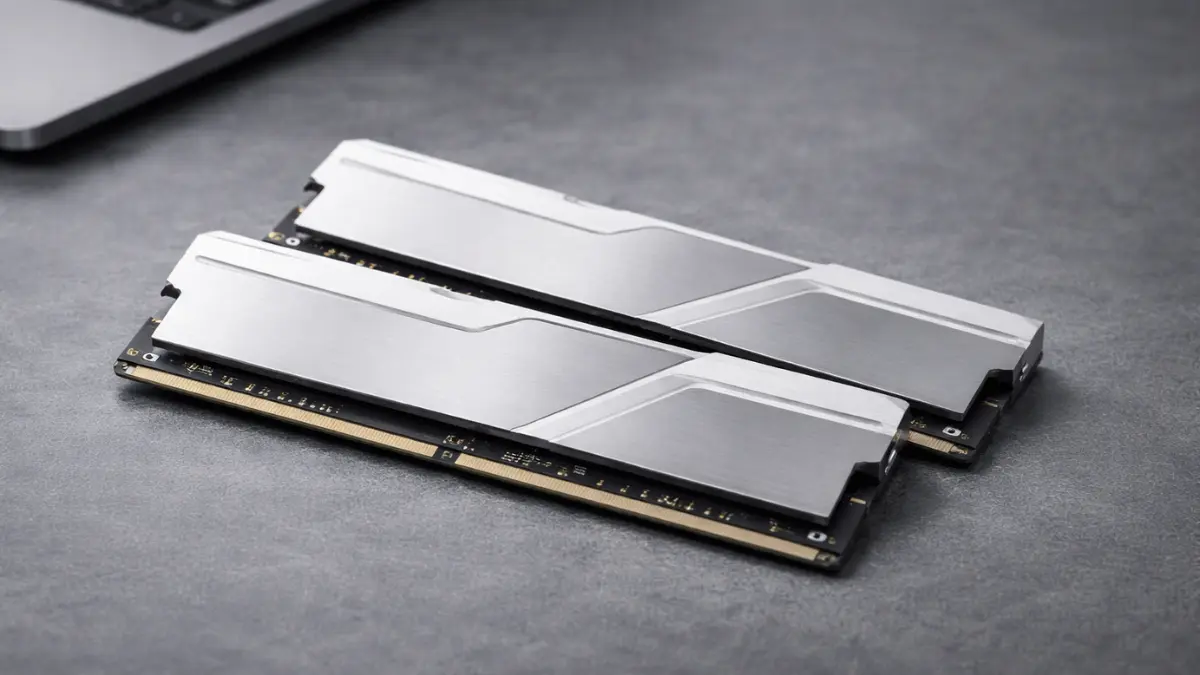
UK DDR5 RAM prices have risen more than three times over since September 2025. A 32GB DDR5-6000 kit — the dual-channel configuration used in the majority of modern UK gaming and productivity builds — now starts from around £279 at UK specialist retailers including CCL and Overclockers UK, and from £329 for DDR5-6000 CL30 kits on Amazon UK. The same specification was available for under £90 just seven months ago. The cause is structural and well-documented: AI data centres are absorbing the bulk of global DRAM production, and nothing in the current supply chain suggests that changes soon.
Table of Contents
What’s Been Confirmed — UK Prices in April 2026
The scale of the increase is significant. OC3D confirmed in early 2026 that a DDR5 kit that once cost £79 at Amazon UK was selling for £351 — a rise of over 340% in around six months. Prices peaked around December 2025, with some high-frequency DDR5-7200 32GB kits briefly reaching £499.99 at UK retailers.
As of April 2026, prices have pulled back somewhat from those peaks. DDR5-6000 CL36 32GB kits are available from £279.99 at CCL and Overclockers UK — a reduction of around 21-25% from the December highs, but still three to four times higher than pre-shortage pricing. DDR5-6000 CL30 kits, the tighter latency option, start from £329 at Amazon UK.
UK market trackers in April 2026 show DDR5-6000 pricing down around 1.5% over the past 30 days. This is stabilisation at an elevated level, not a recovery. A brief drop in late March followed Google’s launch of TurboQuant — a compression algorithm for AI model memory caches, which briefly pushed memory manufacturer stocks lower. UK retail prices did not meaningfully follow.
SpecShift previously covered when UK DDR5 32GB kits were available below £80 in the brief late-2024 correction. That window is closed.
Why Prices Have Surged — The AI Demand Effect
The cause is supply-side and structural. Samsung, SK Hynix, and Micron have progressively shifted production capacity toward high-bandwidth memory (HBM) chips used in AI accelerators, and toward server-grade DDR5 for data centre workloads. Both carry higher margins than consumer DDR5, creating a straightforward commercial incentive to deprioritise the consumer supply chain.
The numbers are stark. Samsung announced it was doubling the DRAM prices charged to manufacturers in late 2025. Analysts have forecast quarterly price increases of 30-50% continuing through H1 2026. Industry data from April 2026 indicates data centres are expected to consume around 70% of all memory chips produced this year.
PC system builders are already responding. MSI’s CEO confirmed price increases of 15-30% across their full product range in 2026. HP disclosed that memory costs had doubled in a single quarter and now represent 35% of PC build material costs. Pre-built desktop and laptop pricing is beginning to reflect this throughout the market.
The arrival of TurboQuant introduced brief optimism — but cheaper per-request memory usage is likely to enable more AI models to run on the same infrastructure, increasing total demand rather than reducing it. The shortage is structural, and there is no short-term supply-side fix in sight.
What This Means for UK PC Builders
If your build platform requires DDR5 — Intel Core 12th generation or later, or AMD Ryzen 7000 series and newer — you have no alternative memory standard. At £279-329 for 32GB, DDR5 RAM has become one of the largest variable costs in a mid-range build, comparable to a quality SSD or a mid-tier GPU.
The situation differs for laptop buyers. Premium Windows systems such as the Samsung Galaxy Book6 Ultra use soldered LPDDR5 rather than socketed consumer DDR5, but rising memory costs are beginning to flow through into pre-built system pricing regardless. Apple Silicon laptops including the MacBook Air M5 use unified memory integrated into the chip — an architecture that sits entirely outside the consumer DDR5 retail market.
For those on older DDR4 platforms and not planning a full system upgrade, staying with DDR4 where it meets current needs remains practical. DDR4 pricing has held more steadily through this cycle, though availability is gradually narrowing as manufacturers reduce DDR4 production.
Pricing Outlook and What to Do Now
Most analysts do not expect a meaningful consumer DDR5 price correction before late 2026 at the earliest. The current market is a high plateau — prices are stable but at historically elevated levels. A significant recovery depends on a real structural rebalancing of AI and consumer DRAM demand that is not currently forecast for this year.
If you need RAM now to complete a build, replace a failing module, or relieve a bottlenecked system — buy it. Waiting for a return to pre-2025 pricing is not a realistic 2026 strategy.
When buying, DDR5-6000 in a 2×16GB (32GB) configuration gives the best balance of compatibility, performance, and current UK value. CL36 variants from UK specialist retailers at around £279 represent better value per pound than CL30 kits on Amazon UK for most gaming and productivity use cases — the latency difference is negligible in real-world workloads. Compare prices across Amazon UK, CCL, and Overclockers UK before purchasing; gaps of £30-50 for identical kits are common at elevated market levels.
Check current best prices on 32GB DDR5 RAM at Amazon UK.
Some links in this article are affiliate links. If you make a purchase, SpecShift may earn a small commission at no extra cost to you.